The marine world is a paradise that few are lucky enough to know. Far from the indiscretion of those who have never had the interest to get in touch with it, there is a universe completely different from that on the surface, where millions of unique and special species swim freely at the rhythm of the currents.
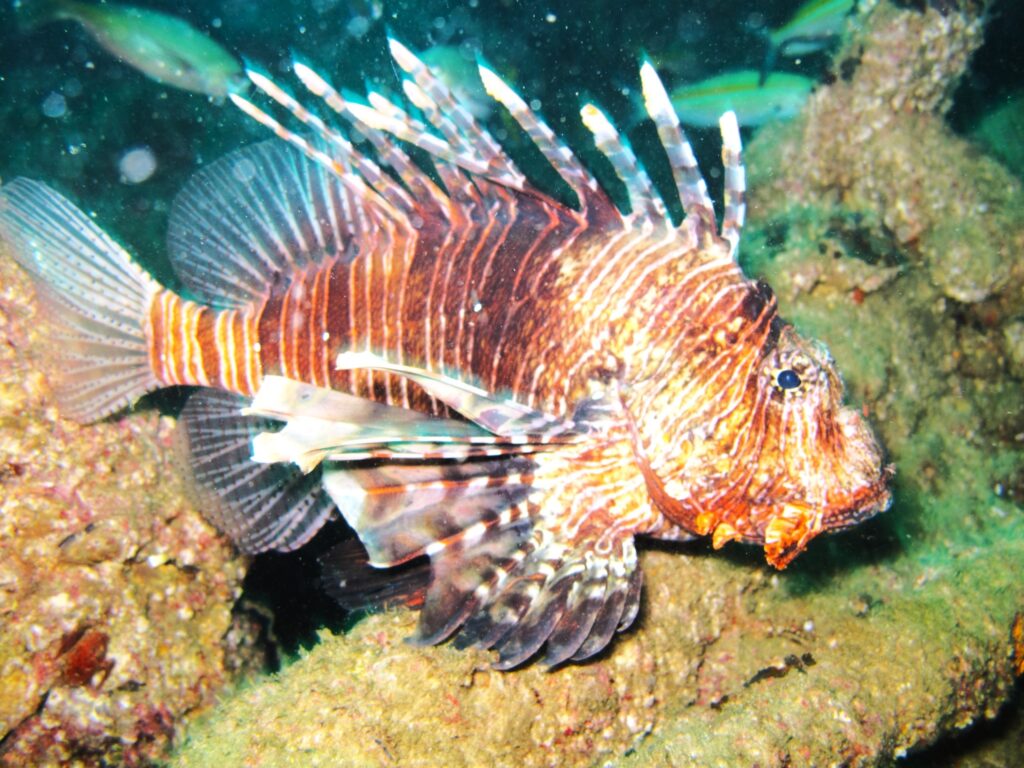
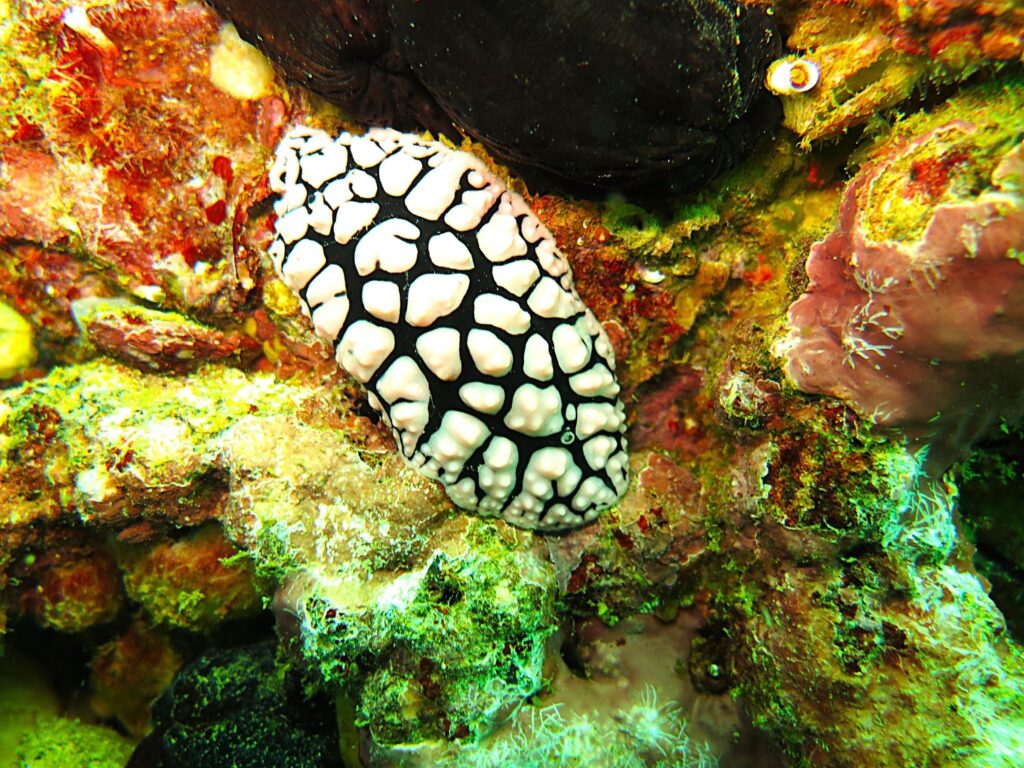
Along the low coasts of Dhofar, one of the seven regions of Oman, swim many different species of animals, from guitar sharks to lionfish, from caretta tortoise to rays. The fauna and flora are flourishing, and the bright colours under the sun of the dry season that anticipates the Khareef shine despite the phenomenon of absorption of the deep sea. Between shipwrecks decorated by the now in power corals, and the multiple pufferfish, and along the sandy bottoms where many platee hide, the consequences of climate change have not been slow to be felt, threatening biodiversity and balance of the enchanting Arabica reef.
To take care of by the marine expert and diver Issam.
Meet Issam
Born and raised in Oman, Issam soon developed a passion for the sea and the millions of creatures that inhabit it, dedicating himself to diving first as a hobby, and then as a profession. Issam is, in fact, an expert diver who, thanks to his thousands of dives in his native land, has obtained a role inforthe Environment Agency of the Sultanate of Oman, the government agency created with the purpose of supporting the environment.
Specifically, Issam works in the marine environment conservation department in Environment Authority, dedicating his time to the protection and preservation of the Omani seabed with regular frequent checks on local fauna and flora.
I dive regularly in the waters of Mirbat to make inspections and check the state of the seabed of the area.
Once every two weeks, Issam dives with the group, scouting the seabed to check the condition of the local coral reef and make sure that the species of fish, reptiles and mammals that color the Arabian sea are healthy and lively. With his underwater camera, he then continues the process, giving a face to his notes.
Environment Agency of Oman: the government agency for the preservation of environmental health in Oman
Environment Agency of Oman is in fact a government agency that aims at “preserving our environment, sustaining its resources, and providing distinguished services through continuous development and integration with institutions and society” [ea.gov.com], aiming to raise awareness and advocate for the adoption of critical conservation measures. In order to reach their goal, the agency creates policies and procedures aimed at protecting the Omani environment, eco-systems and biodiversity.
Setting policies and procedures directed at conserving our natural resources and preserving the current state of natural environment and, where possible, reversing its degradation by human or natural agents [Environment Agency of Oman]
One of the agency’s main focus is to protect endangered local species, including the four turtle species that inhabit its waters: Loggerhead (Caretta caretta), Green (Chelonia mydas), Hawksbill (Eretmochelys imbricata) and Olive Ridley (Lepidochelys olivacea).
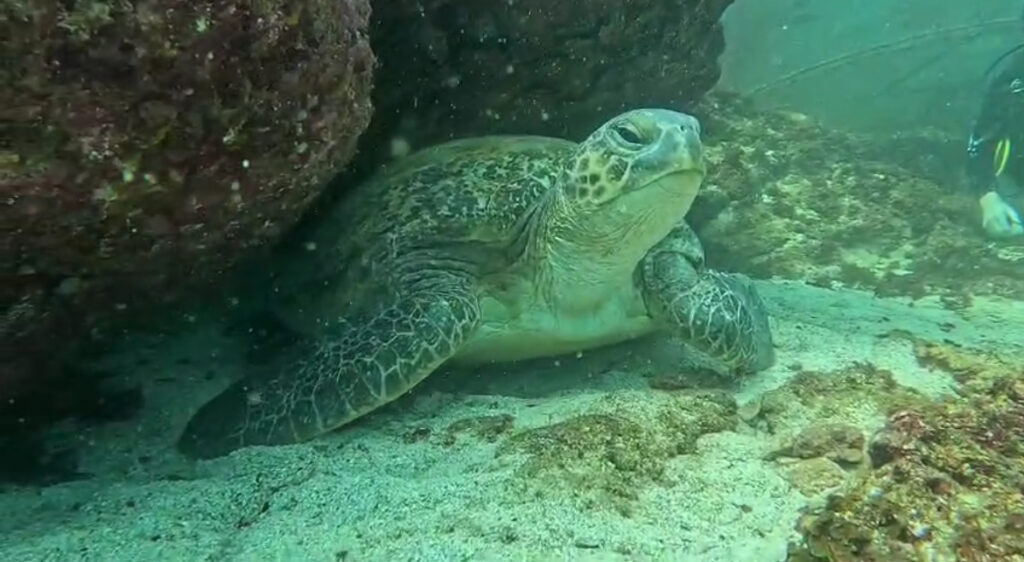
The agency also works with private associations such as the Environment Society of Oman, the only non-profit organisation in Oman that deals with environmental protection. The association, founded in 2004, aims to preserve the natural environment of Oman through research, education, defense and conservation.
The main dangers to the marine environment
As regards the marine environment, the factors which most concern international and local experts in terms of preserving marine biodiversity are different. These are trawling [FAO (Food and Agriculture Organization)], noise pollution [NOAA] and chemical pollution [UNEP], plastic and micro-plastic pollution, the destruction of natural habitats [WWF], and climate change.
The consequences of global warming on the Omani marine environment and the work of Issam
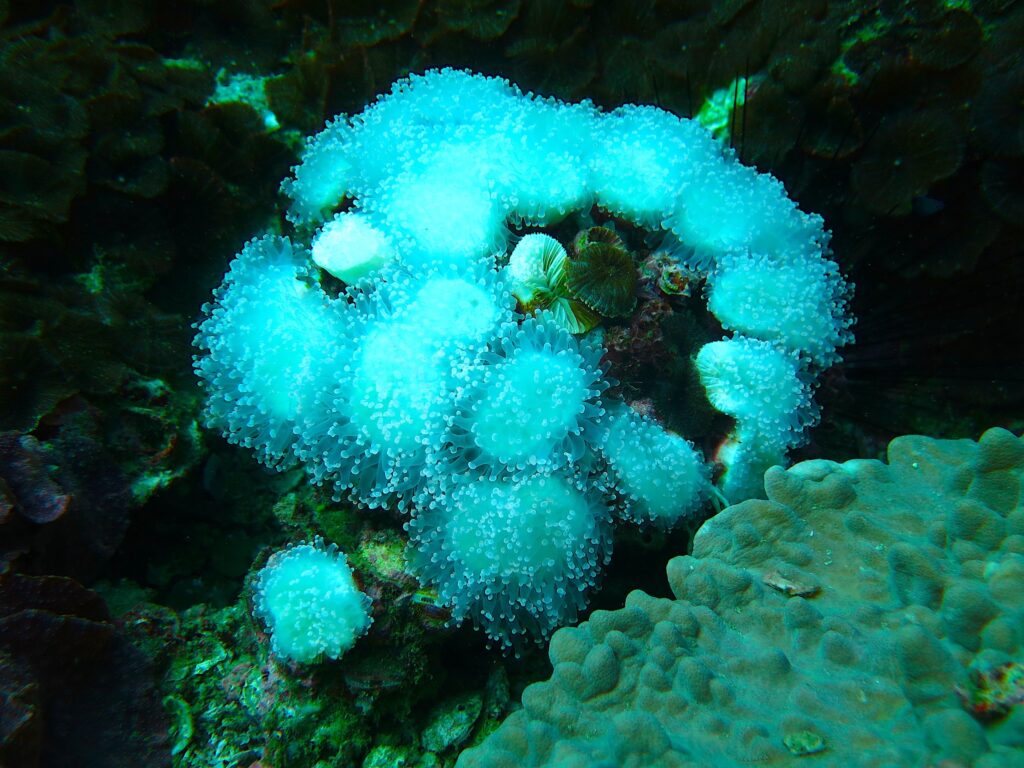
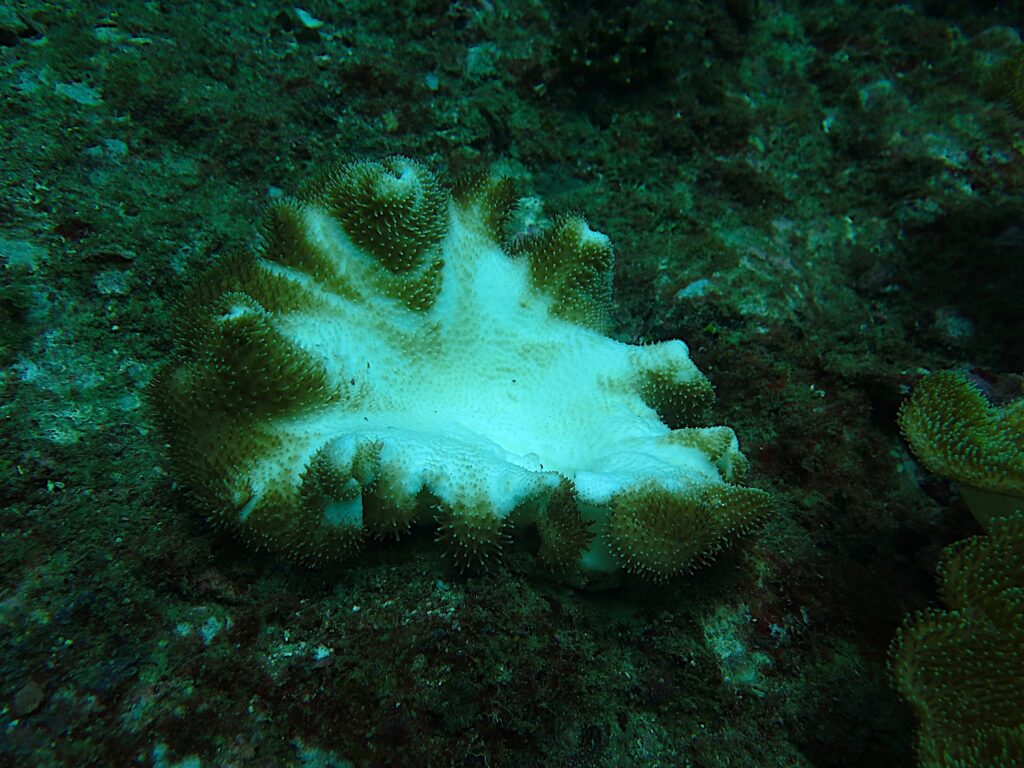
In particular, the consequences of climate change are particularly evident in the increasing coral bleaching, synonymous with coral death and consequent weakening of coral structures and reduction of biodiversity that depends on them. In fact, water heating causes stress in corals, which eject zooxanthels (symbiotic microorganisms), leading to the phenomenon of bleaching and, if not recovered, death of corals [IPCC – Special Report on the Ocean and Cryosphere in a Changing Climate].
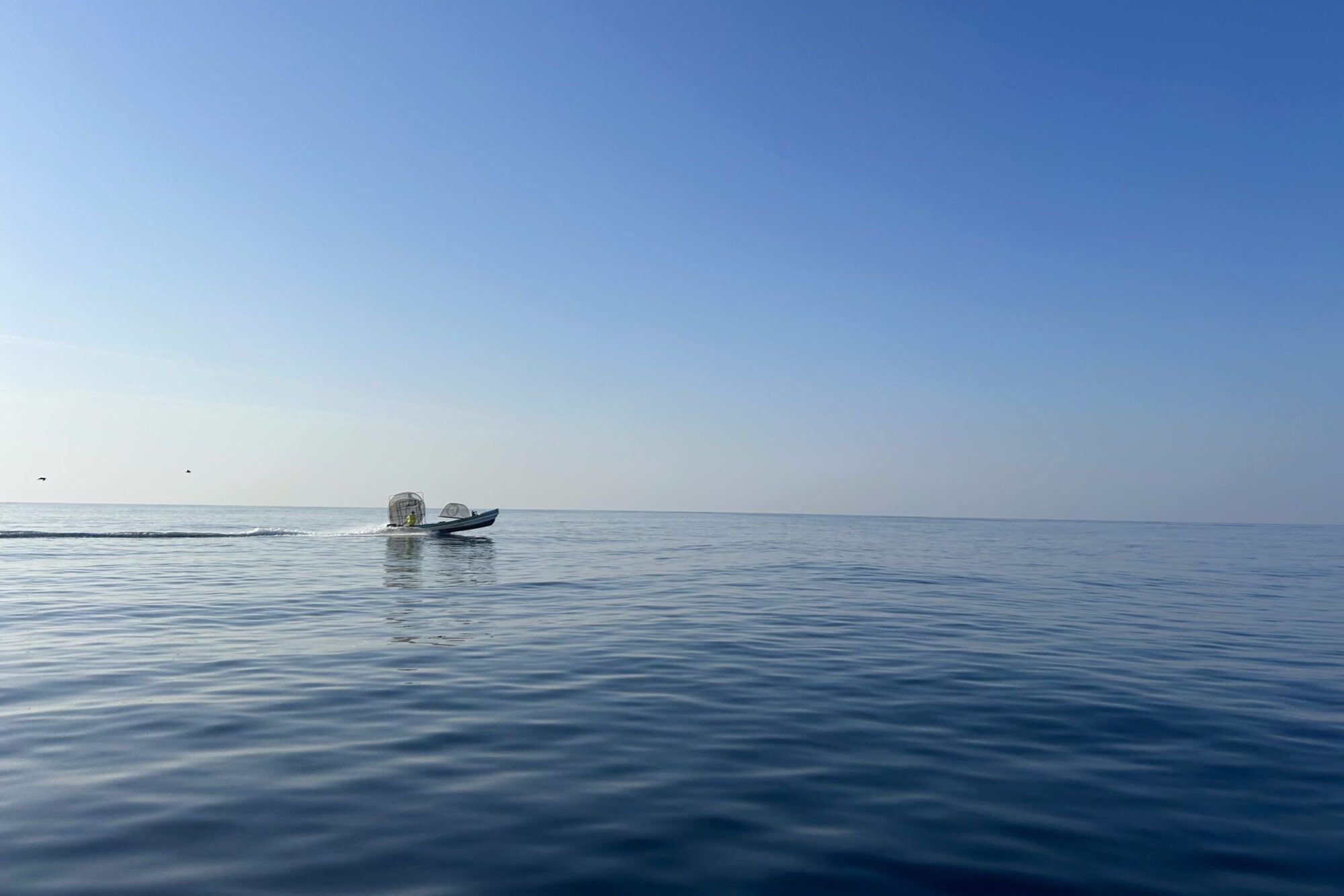
Among the main threats to local flora and fauna there are certainly also fishing nets, which often trap turtles and other inhabitants of local and international waters, often causing their death.
In his years of experience, even Issam has seen the composition of the fauna and flora of the waters of his land change with his own eyes.
“The corals that covered Mirbat have retreated. It is easy to recognize when they are dead: when they are completely white. The seabed is now full of them.”
During his expeditions, Issam must also carry out real operations of cleaning the seabed, erasing the traces of the passage of man by collecting all the plastic and garbage settled on the bottom or floating.